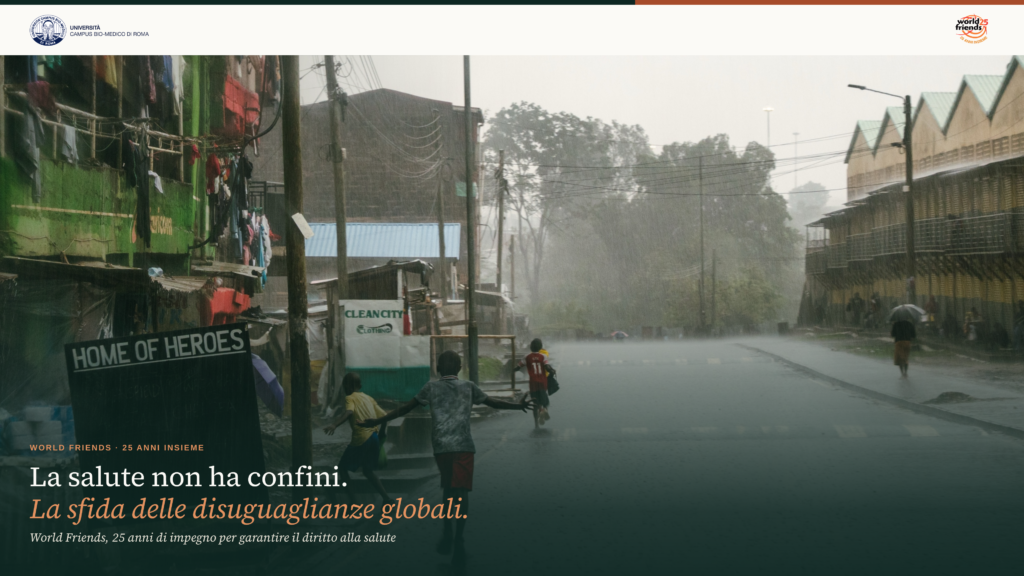

Health has no borders: in Rome we celebrated 25 years of World Friends
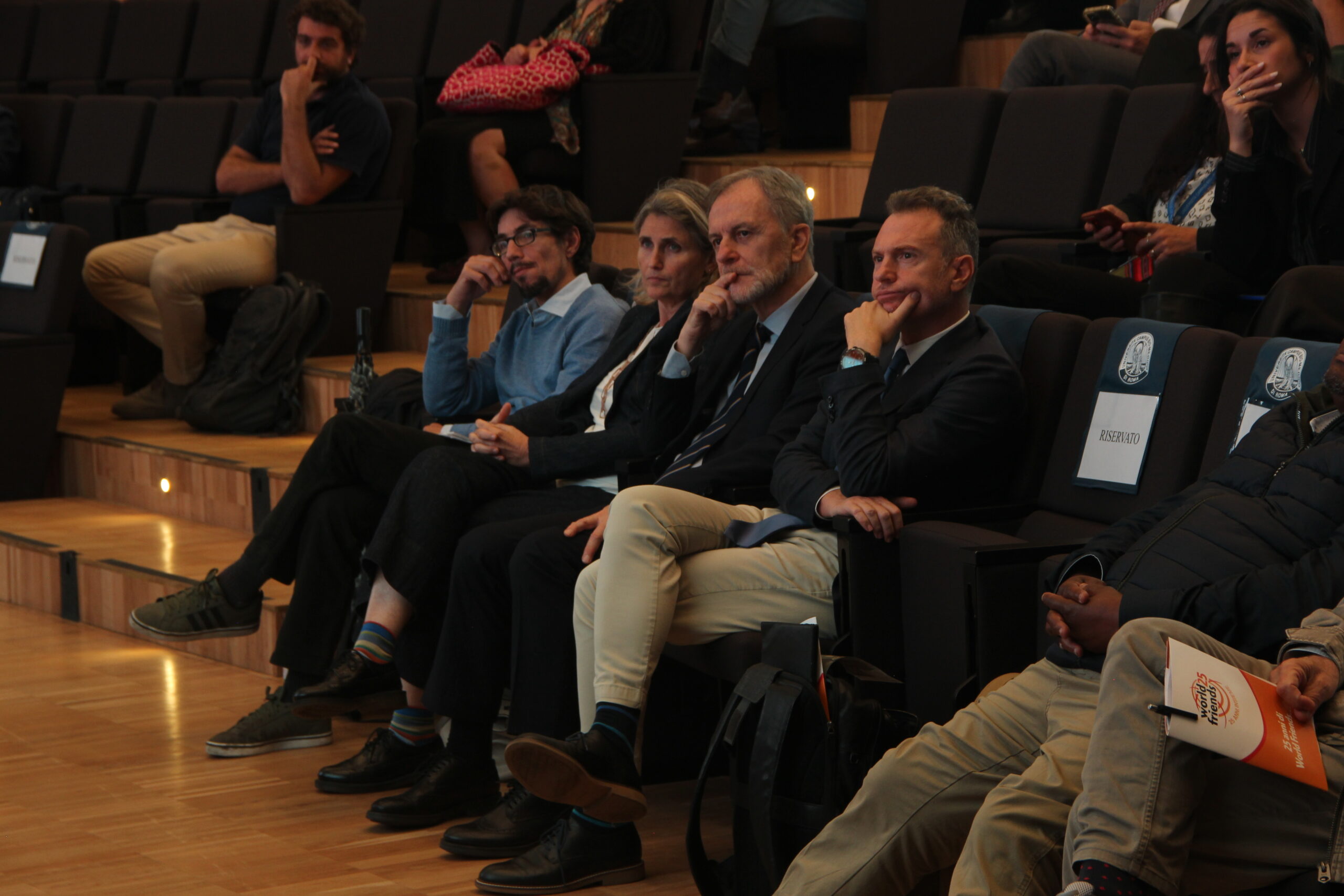
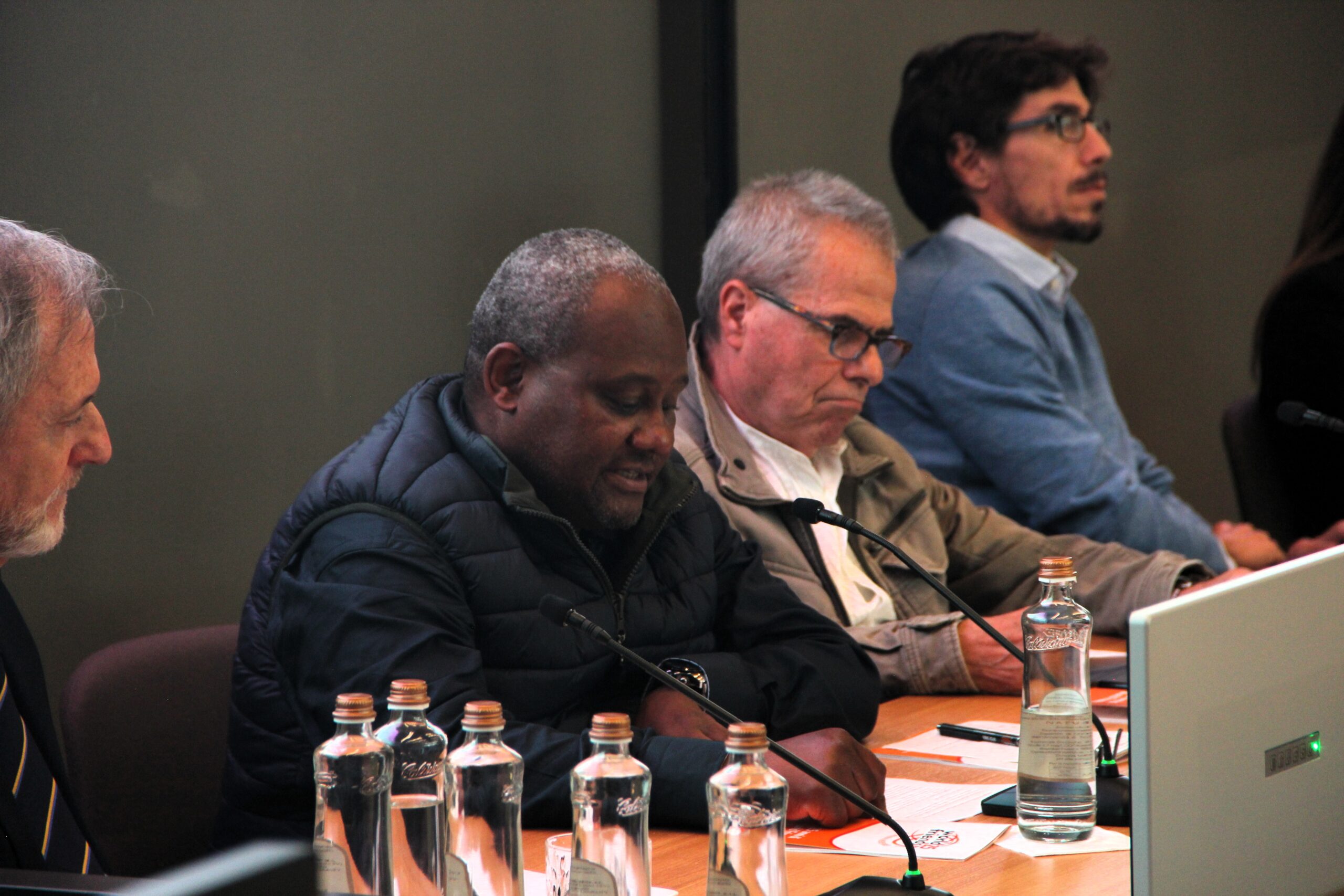
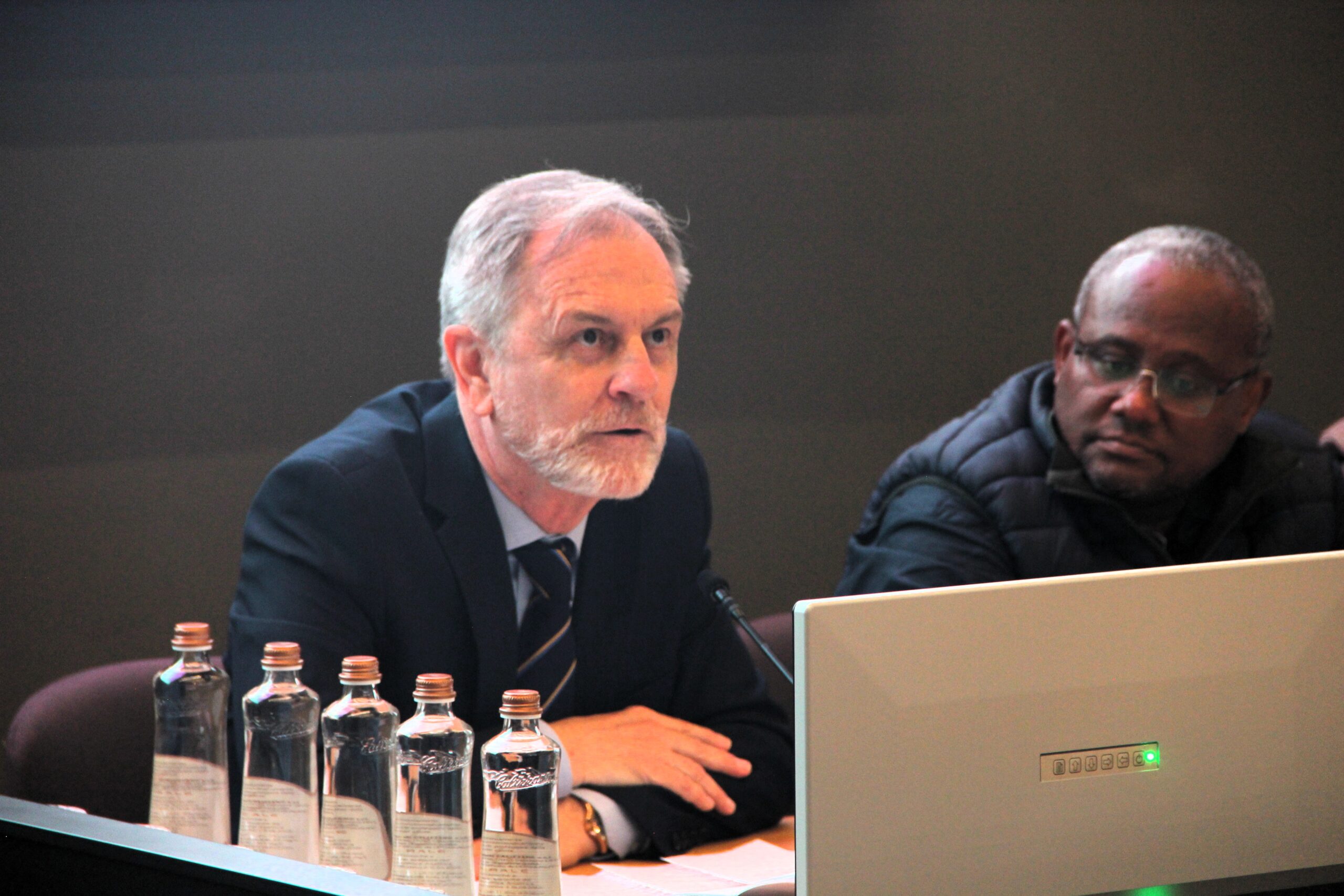
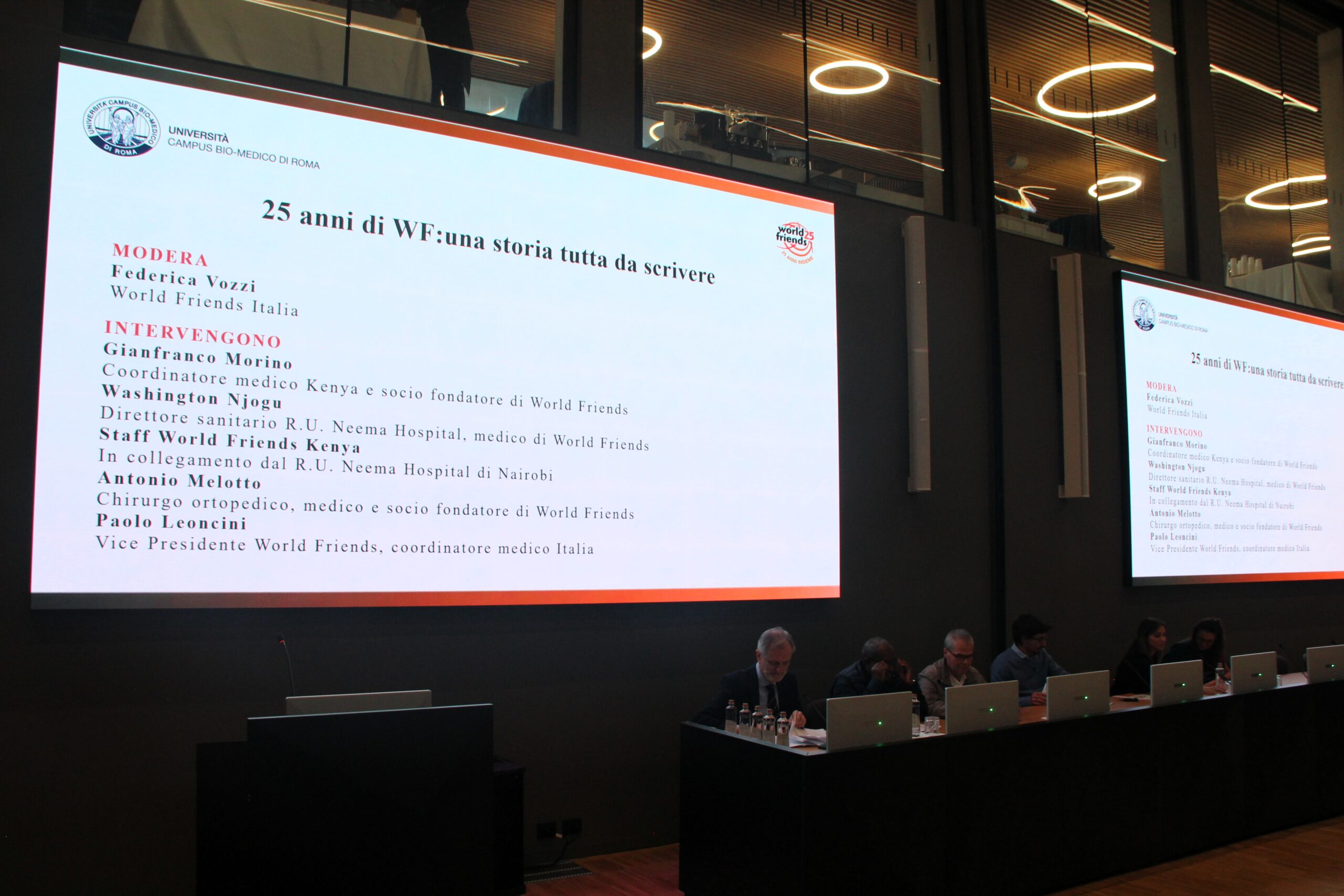
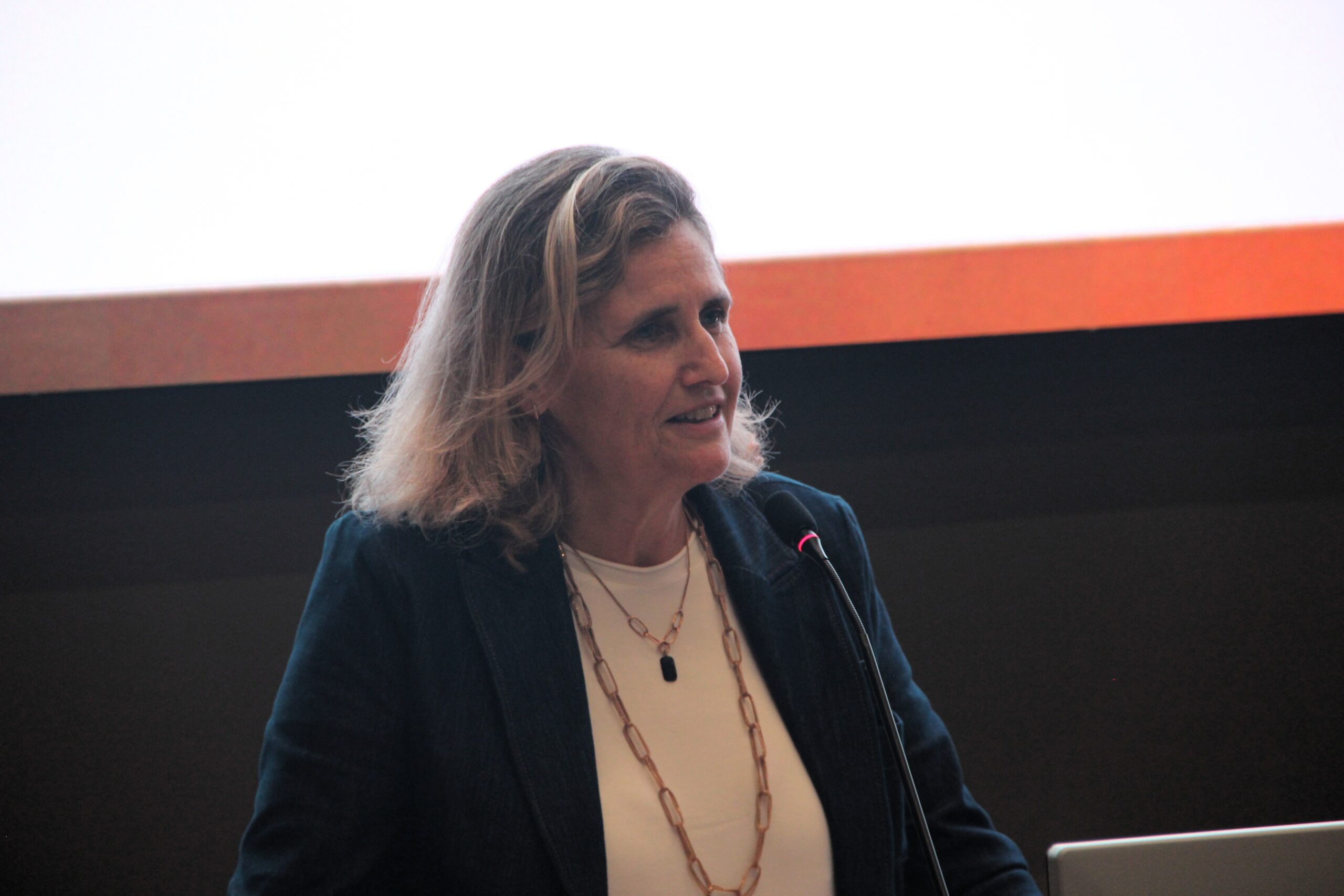
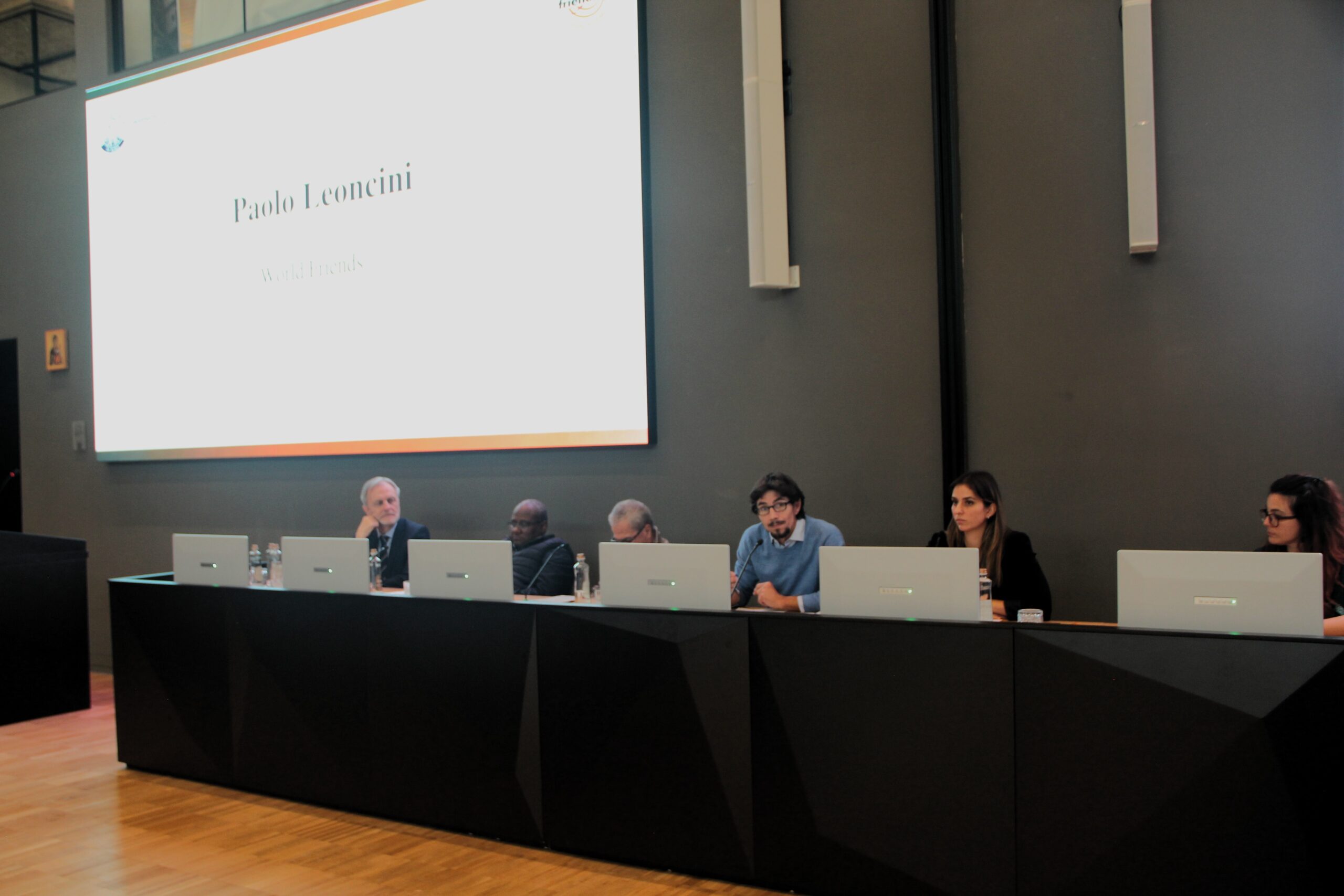
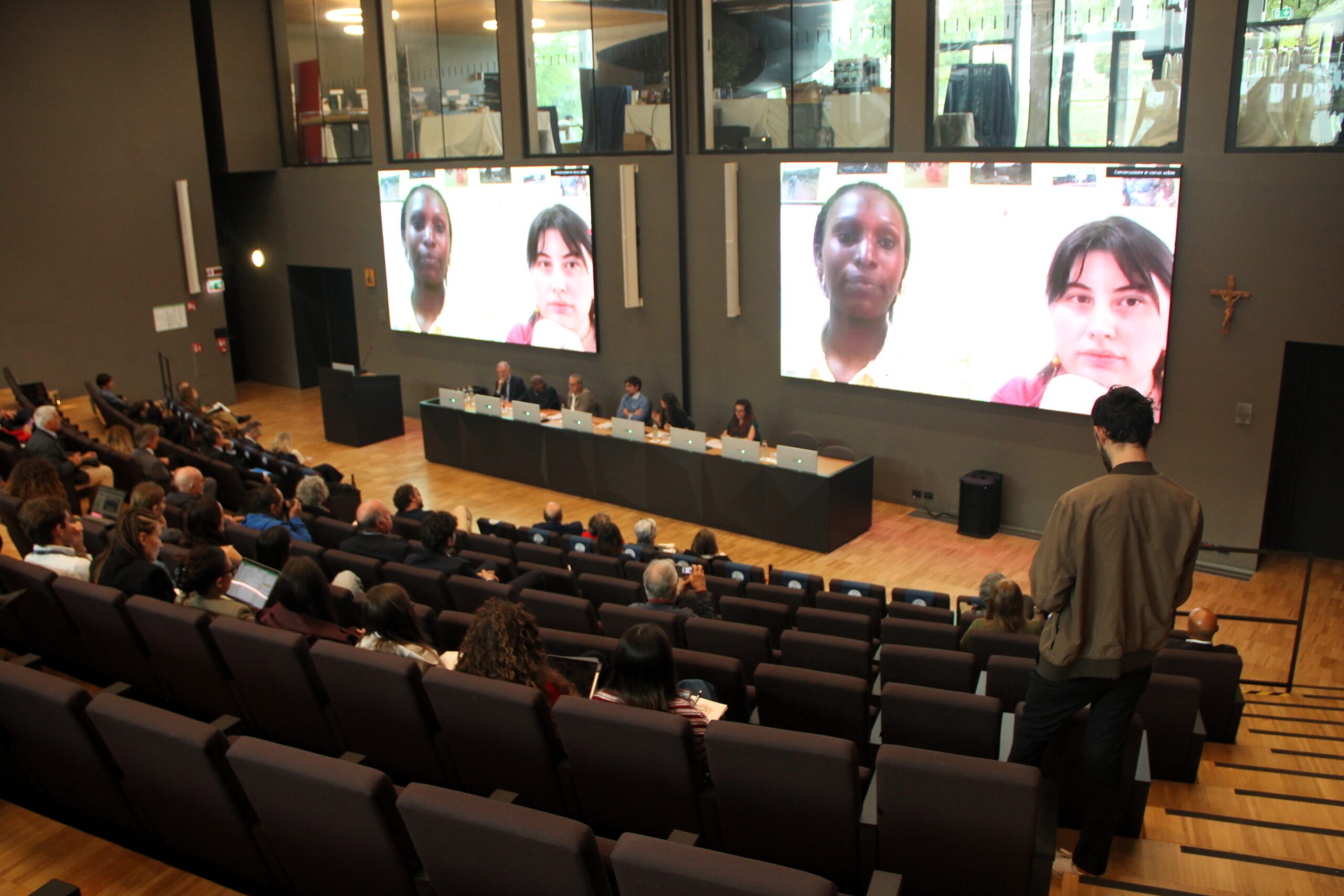
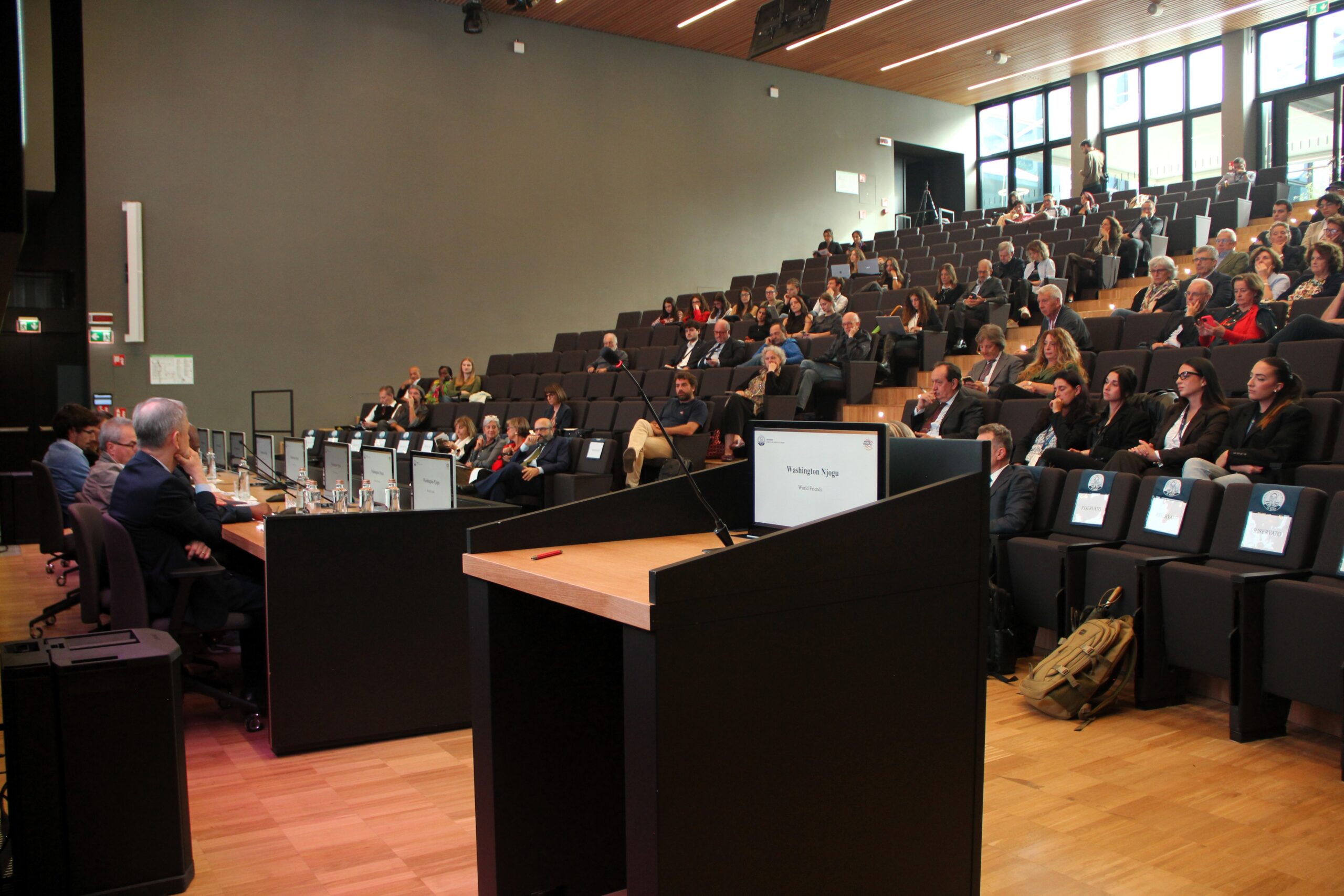
On October 8, 2026, the Cu.Bo Auditorium of the Campus Bio-Medico University of Rome was filled to capacity "Health has no borders. The challenge of global inequalities."We organized the conference together with the University to celebrate our 25th anniversary (2001–2026).
We didn't want a nostalgic celebration. We chose to use this milestone to reflect together on the ongoing challenges of global health: multidimensional poverty and the disparities that still prevent millions of people from accessing essential care.
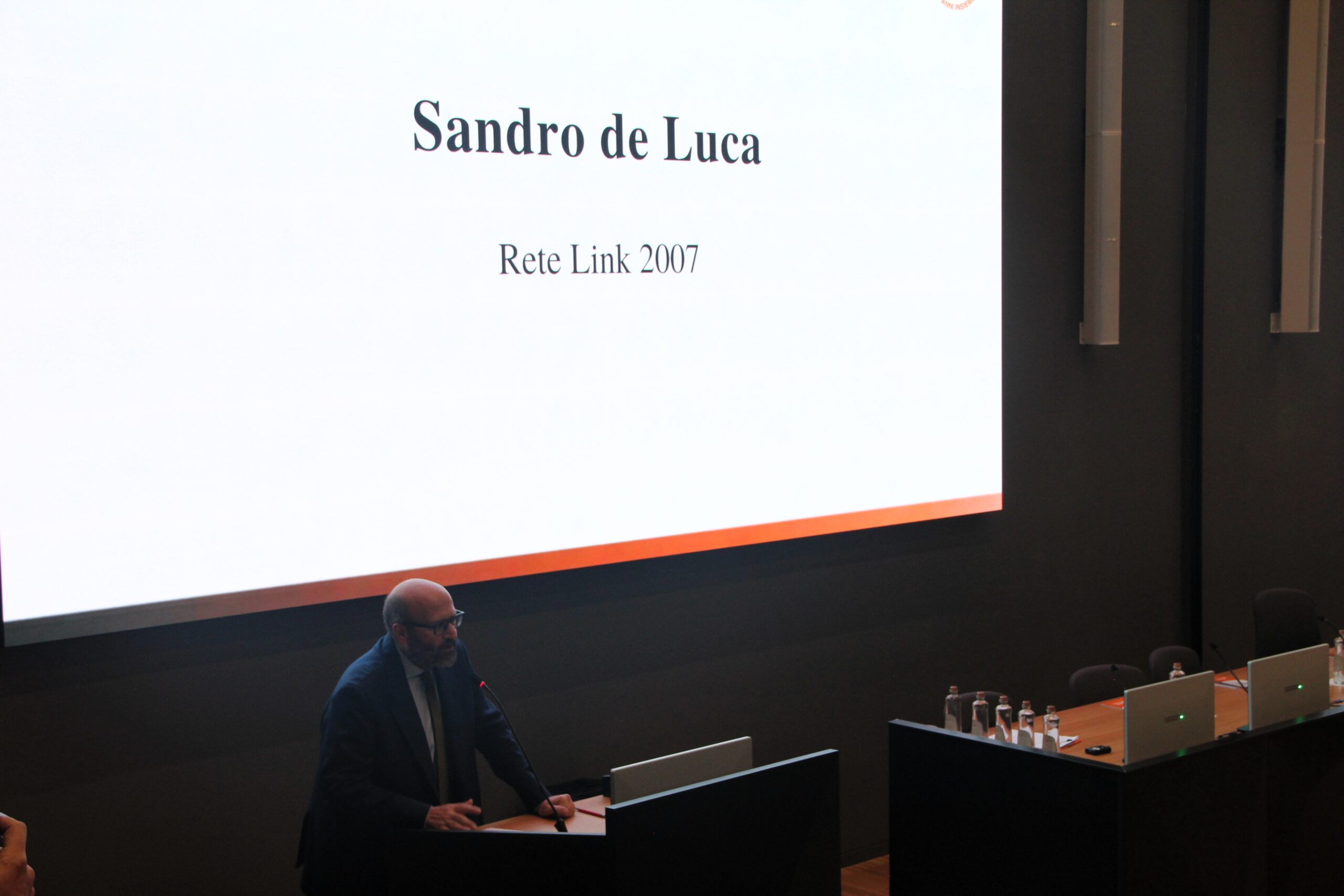
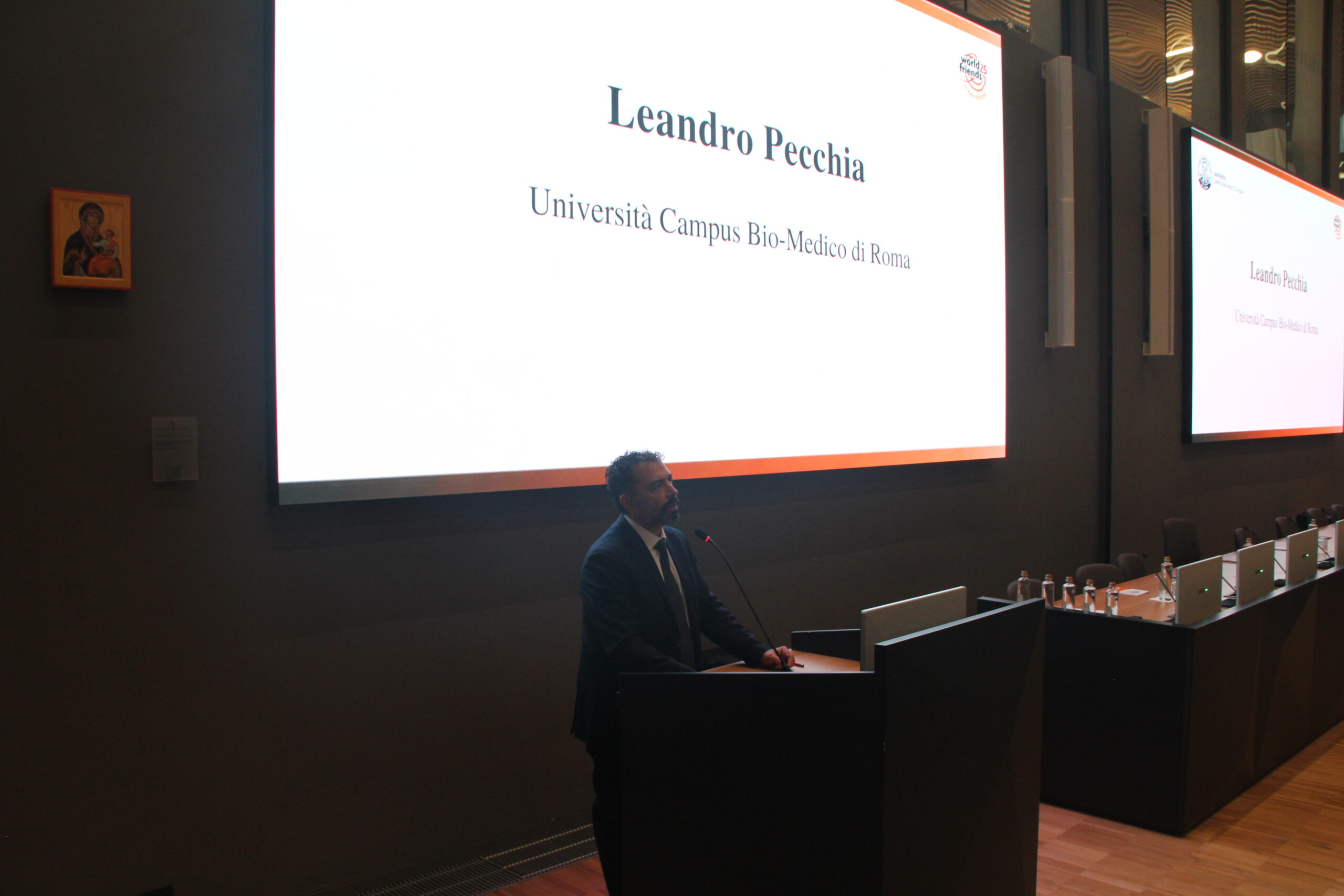
They opened the works Leandro Pecchia (Pro-Rector for Research at the Campus Bio-Medico University of Rome), Sandro de Luca (President of the Link Network 2007) and our President Silvana MericoEveryone emphasized the importance of collaboration between universities, public cooperation, and the Third Sector for a solidarity based on skills.
25 Years of World Friends: A Story Still to Be Written
The first session was a collective account of our doctors and managers. The doctor and founding member Gianfranco Morino He recalled how World Friends was born in 2001 directly in Kenya, to respond to the needs expressed by the communities in the slums of Nairobi.
He reiterated that health is a right influenced by social determinants and called for a shift from poverty to "impoverishment." He then criticized the purely financial classifications that divide the world into high-, middle-, and low-income countries:
"But whose income? The income of the slum dwellers or of those with unprecedented wealth?"
GDP, he explained, is an average that flattens and hides all inequality. This is why we support development economists who classify countries based on social justice: low, medium, or high levels of inequality, according to the social determinants of health. Morino finally identified war as the main driver of disease and suffering.
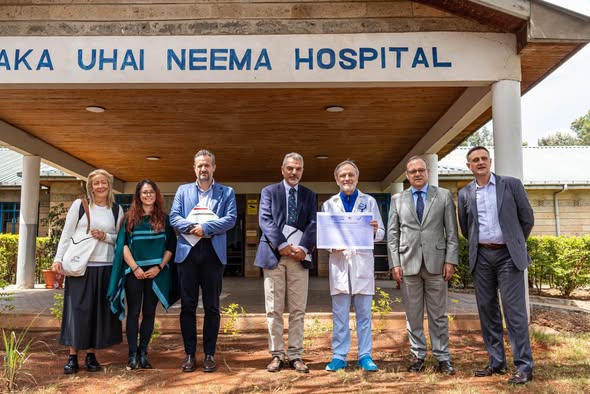
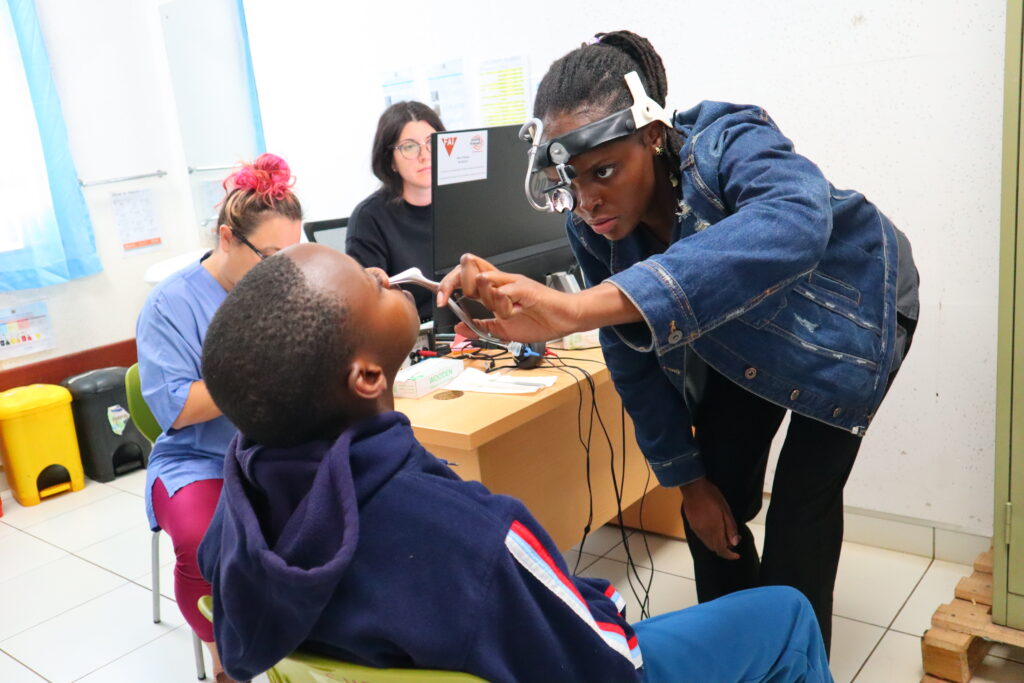
Il Dr. Washington Njogu, Medical Director of Ruaraka Uhai Neema Hospital, explained how the hospital grew. Founded in 2008 on the northeastern outskirts of Nairobi, it is now certified Level 5 SafeCare, the highest standard of quality care. Neema is based on three pillars: prevention in the community, hospital care, and training of healthcare workers. Over the years, it has assisted over one and a half million patients, accompanied more than 25.000 births and formed more than 25.000 operatorsHis vision has not changed: to care for the patient as a person, not as a client.
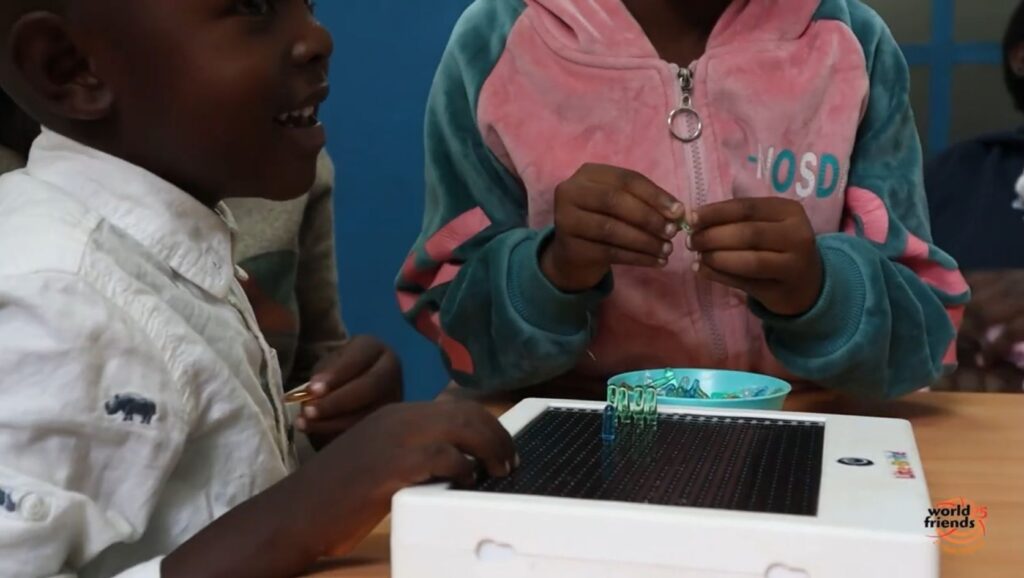
The orthopedic surgeon Antonio Melotto presented the Disability Project and the model of the Community Based Rehabilitation (CBR)He recalled that stigma must be eliminated even before architectural barriers and that health has many dimensions.
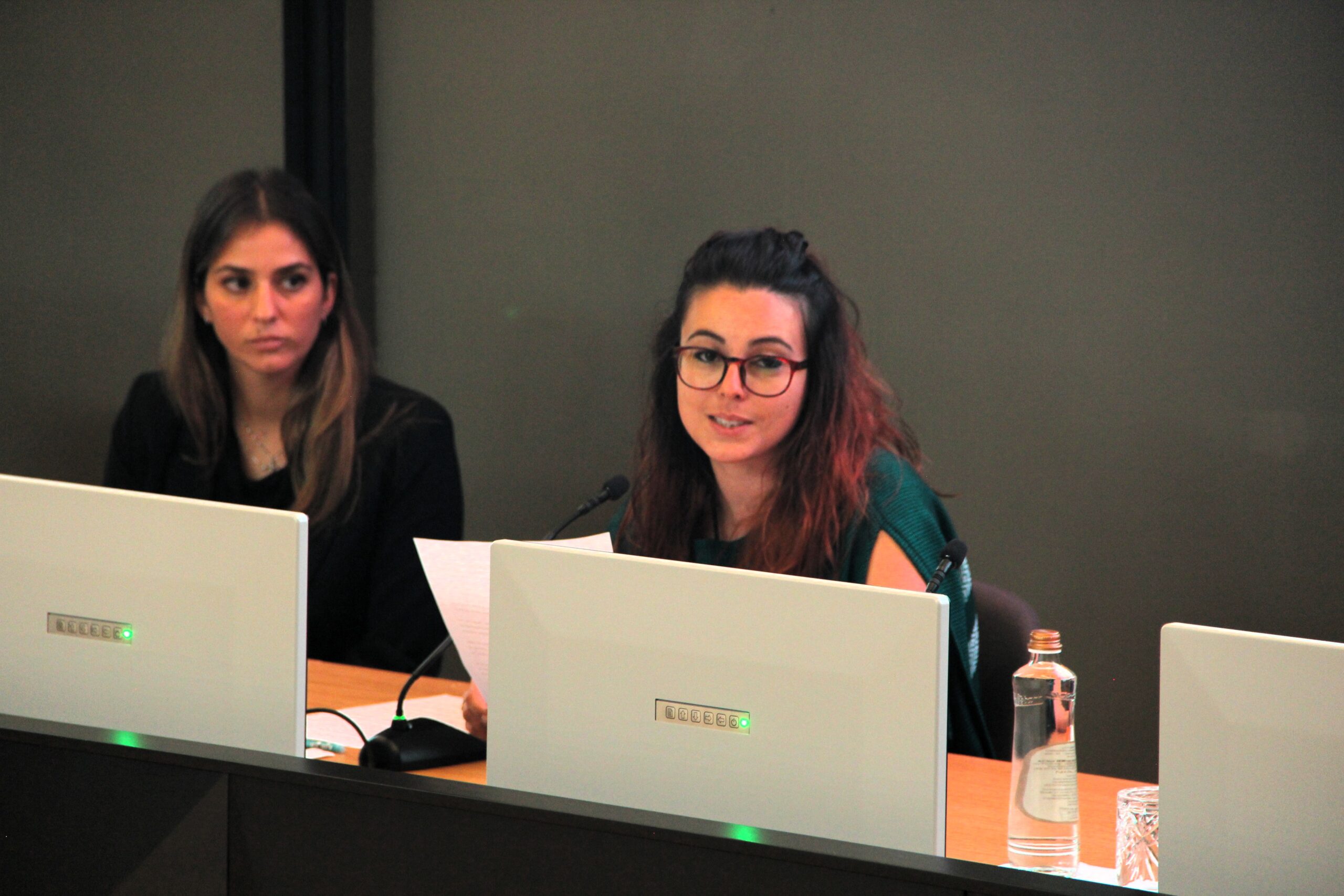
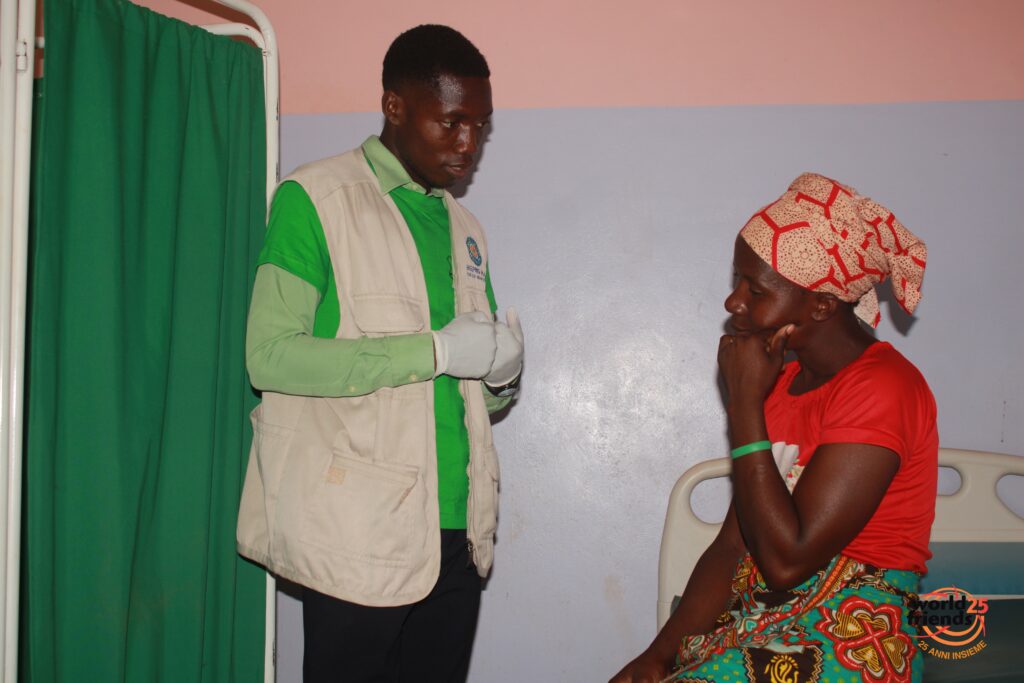
Lucia Pincerato, Deputy Regional Coordinator of World Friends Kenya, spoke about women's health: being born a woman still places a disadvantage in accessing healthcare. She outlined our commitment to maternal health, from antenatal visits to assisted births at Neema, to mobile clinics in the most remote areas of Kajiado and Kilifi.
The Vice President Paul Leoncini showed how the method born in the slums of Nairobi also guides our work in TurinThere we build a local network that works both on prevention, with emotional and health education in schools, and on the care of the most vulnerable people, with the project's two help desks. «Outpatient clinics art. 32».
One of the most intense moments was the Live broadcast from Neema HospitalThe staff shared with the audience their daily work serving marginalized communities.
«To Be Human»: the documentary film and the photographic exhibition
We previewed it in the room «To Be Human», the director's documentary Thomas PiniFilmed in ultra-wide format and approximately thirty minutes long, it tells six stories: four in Kenya, between the slums of Nairobi, Kajiado and the coast of Kilifi, and two in Italy.
The film has no voiceover or staged interviews. The viewer is immersed in the real sounds and images of the lives of workers and patients. The goal is to avoid commiseration and restore dignity to those living in vulnerable conditions. Through smiles, caring gestures, and glances, the film shows that cooperation is first and foremost a matter of human relationships. After the screening, Tommaso Pini took the stage to discuss the film and its objectives.
In the foyer, the photographic exhibition by Giacomo Gandossi: about forty large-format shots of the faces, hands, gazes, and daily lives of the people we meet every day in the field. Project numbers become human stories.
Photos of the exhibition and the documentary trailer can be downloaded from the box at the bottom of the article.
Crossed Destinies: The Challenges of Global Health
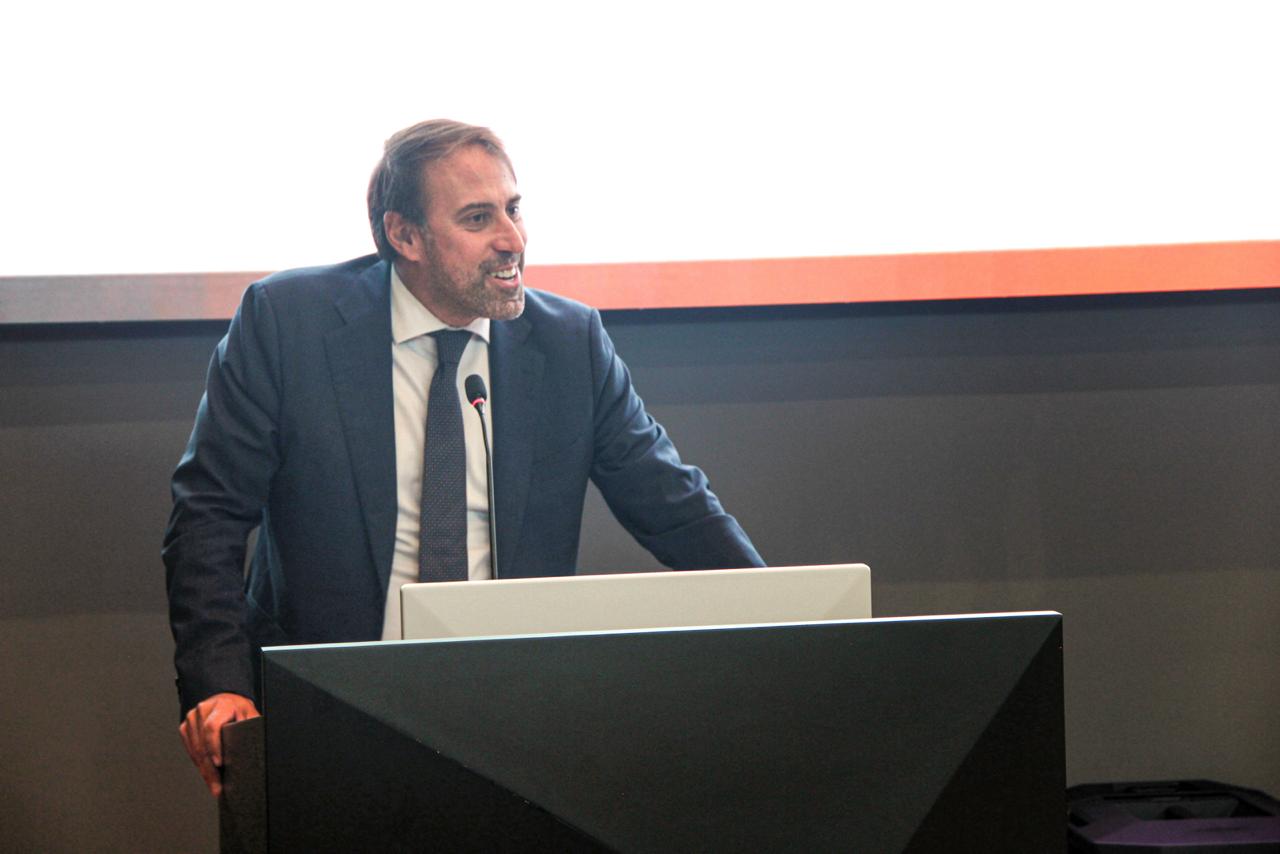
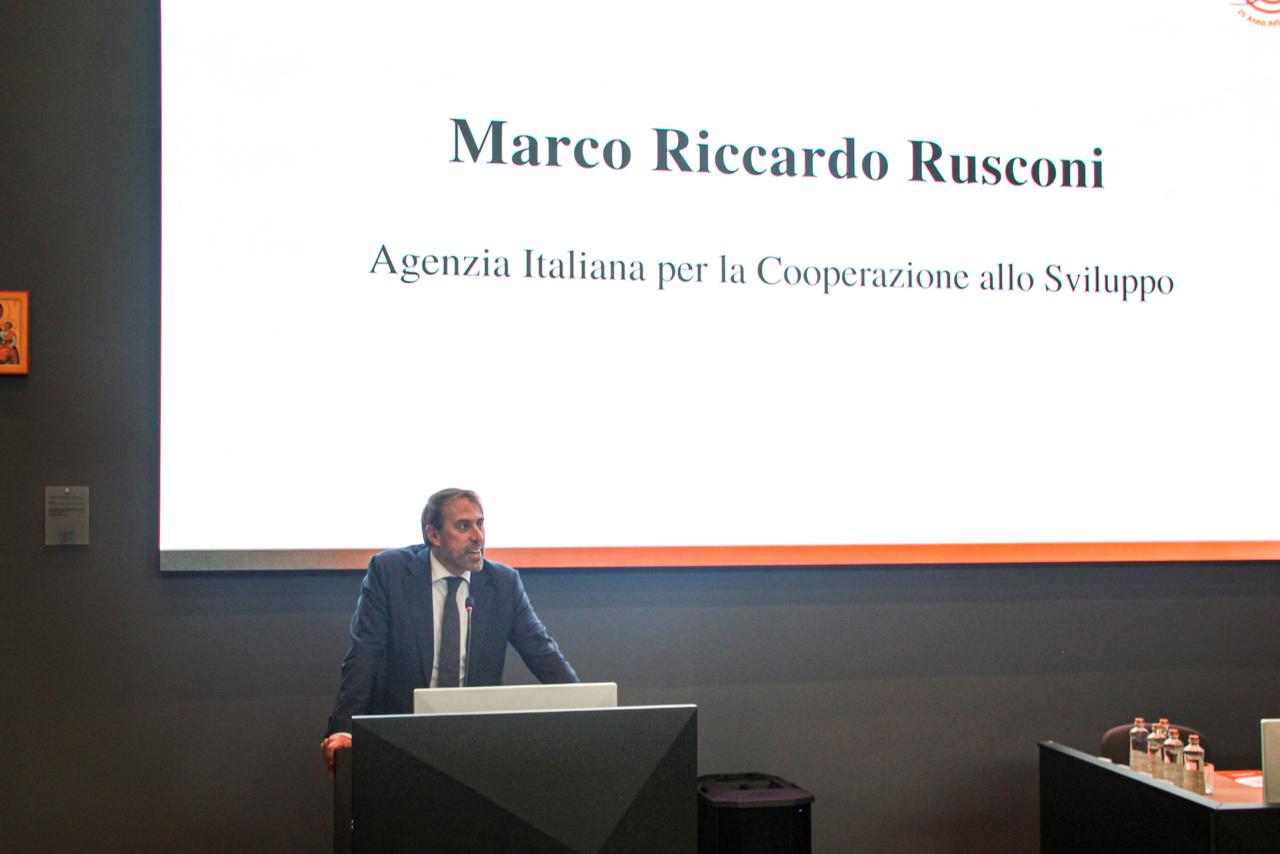
The second part of the morning opened with greetings from Marco Riccardo Rusconi, Director of the Italian Agency for Development Cooperation (AICS). This was followed by a speech by Professor Giovanni Mottini, Head of the University Cooperation Support Office at UCBM, on the University's role in training young doctors and in international academic exchanges.
The round table "Crossed Destinies: Africa, the West, and the Challenges of Global Health", moderated by the journalist Enzo Romeo, he broadened his gaze:
- Father Giulio Albanese, missionary and journalist, he analyzed the historical and economic relations between the West and Africa;
- Maria José Caldés, Director of the Global Health Center of the Tuscany Region, spoke about global health strategies and decentralized cooperation;
- Federico Gobbi, an expert in tropical diseases, focused on neglected diseases and the impact of climate change on health;
- Marie Claire Gegera She shared her experience in protecting maternal and child health in the most vulnerable contexts.
A book for our 25th anniversary
We delivered the World Friends 25th Anniversary Book, a historical-photographic volume on a quarter of a century of commitment between Kenya and Italy.
For us, this anniversary isn't a milestone to rest on. It's a motivation to continue ensuring, with professionalism and passion, the right to healthcare for every human being.
The voices of the day
World Friends was founded in Nairobi, in the slums, even before Italy, with a choice we have never betrayed in twenty-five years: to be truly present wherever we operate. We were guided by a vision that identified health and education as the cornerstones of true and effective cooperation, and that had the courage to dream of a hospital, the Ruaraka Uhai Neema Hospital, when it seemed beyond our means. At the heart of everything is knowledge and respect for the people and communities we work with, along with gratitude for those who have made this journey possible: staff, members, partners, and donors, many of whom have been with us since day one. We are proud of this achievement, but the responsibility today is even greater, because what has been created is precious and must continue to grow. In a world where it is increasingly difficult to talk about rights, equality, and solidarity, we cannot stop doing what we do: it is part of our humanity.
Silvana Merico, President of World Friends ETS
The Campus Bio-Medico University of Rome's commitment to reducing global inequalities, especially in health issues, is in our DNA, a commitment that has grown exponentially over the years. We have a strong historical heritage, as demonstrated by our long tradition in cooperation, which is now a consolidated reality in our research and teaching. Our collaboration with World Friends, launched several years ago, is the most authentic testimony to this. UCBM's support for low-income countries has multiplied, thanks in part to the projects we coordinate or partner with, institutional collaborations with the World Health Organization, other United Nations agencies, and bilateral agreements with universities in over 20 African and Latin American countries. We are a small university, but this has never limited our global commitment, with the spirit of service that has always characterized us.
Prof. Leandro Pecchia, Vice-Rector for Research, Campus Bio-Medico University of Rome
Reducing health inequalities means strengthening health systems and local capacities, investing in prevention, and ensuring that services truly reach the most vulnerable, starting with women. The Italian Cooperation's collaboration with World Friends in Kenya demonstrates the value of community-based partnerships, capable of translating these principles into concrete and lasting results.
Marco Riccardo Rusconi, Director of the Italian Agency for Development Cooperation
Press materials:
→ Download photos of Giacomo Gandossi's exhibition
→ Download the materials from the documentary film «To Be Human»
→ Download the World Friends commemorative booklet