
Afya Mtaani, Ustawi wa Jamii: Five days of health and nutrition for mothers and children in the slums of Ruaraka
Over 3.000 children dewormed it's almost 3.500 reached with Vitamin A in five days. These are the numbers of the second round of Malezi Bora, the six-monthly campaign for maternal and child health and nutrition led by the Sub-County Health Department, that the project GROW+, managed by World Friends and funded by AlbaCare, he supported in informal settlements in northeast Nairobi.
Context: Why Nutrition Is a Silent Emergency
In Nairobi's slums, malnutrition remains one of the most serious public health challenges. Poverty, high population density, food insecurity, and overburdened health services especially affect the poor. children under fiveWith the closure of USAID-funded programs that provided supplements to public facilities, the ability to diagnose and treat malnourished children has drastically reduced.
To address this gap, in September 2025 World Friends launched GROW+, a 24-month project that strengthens nutrition clinics in Ruaraka Sub-County and brings prevention and health education directly to the neighborhoods, with special attention to children with disabilities. In addition to its daily work, GROW+ also supports major public health system campaigns: it did so in August with the World Breastfeeding Week, and he did it again now with Malezi Bora.
Malezi Bora: Health that comes to the neighborhood
Malezi Bora, meaning "good growth" in Kiswahili, is a biannual initiative through which Kenyan health authorities deliver essential health and nutrition services directly to communities. This year's campaign was themed “Afya Mtaani, Ustawi wa Jamii”: health in the neighborhood, community well-being.
A title that's also a method. For five days, services reached out to families, instead of waiting for them in clinics. The campaign focused on three of the most vulnerable groups: pregnant women, breastfeeding mothers and children under five years of age.
Door to door, in childcare centers
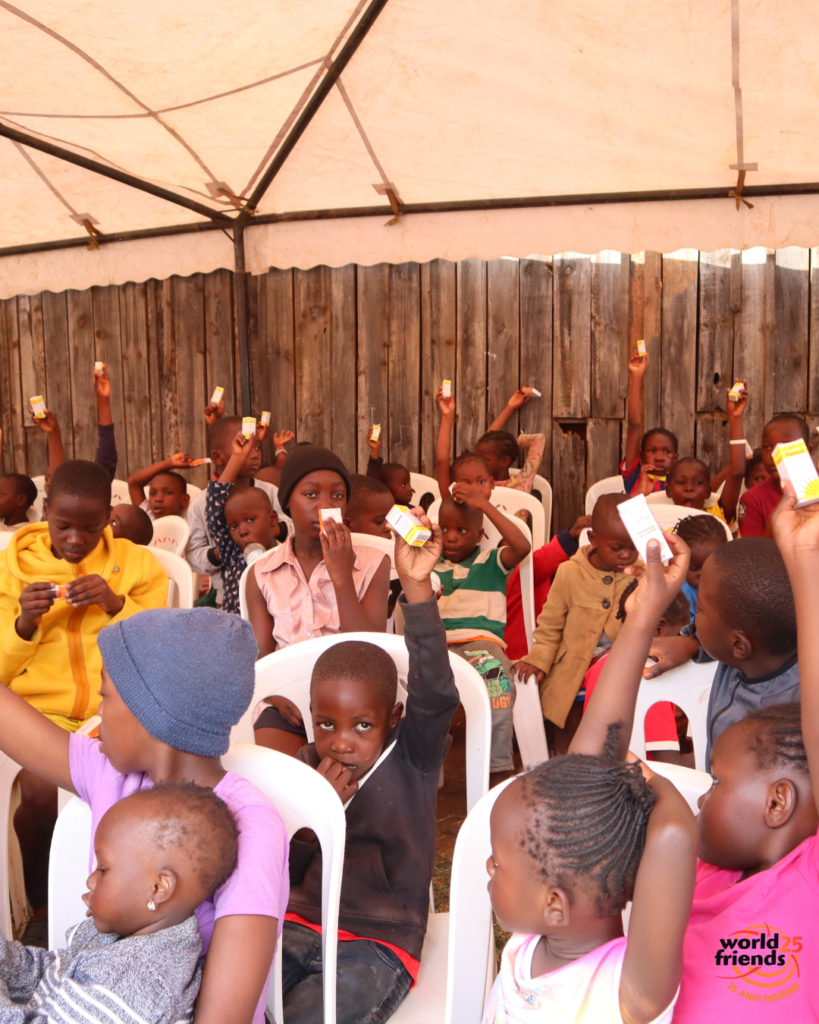
The campaign moved on two tracks. On the one hand, the Community Health Promoters (CHP) home visits, who reached the families in their homes. On the other hand, the outreach activities at day nurseries and Early Childhood Development (ECD) centers, where hundreds of children gather every day.
The health teams offered a package of essential services for healthy growth:
- nutritional screening, to identify cases of malnutrition early;
- Upper arm circumference measurement (MUAC), a simple and quick tool for assessing nutritional status;
- Vitamin A supplementation, essential for the immune system and vision;
- deworming, against intestinal parasites that steal nutrients and slow growth.
The campaign numbers
- 3.483 children between 6 and 59 months they received Vitamin A;
- 3.036 children between 12 and 59 months they have been dewormed.
Numbers that add to those already collected by GROW+ in the past months, from 412 children from Mathare and Korogocho to the more than 560 mothers reached during Breastfeeding Week.
Not just services: skills, listening and data
Malezi Bora didn't just provide treatments. The campaign also included:
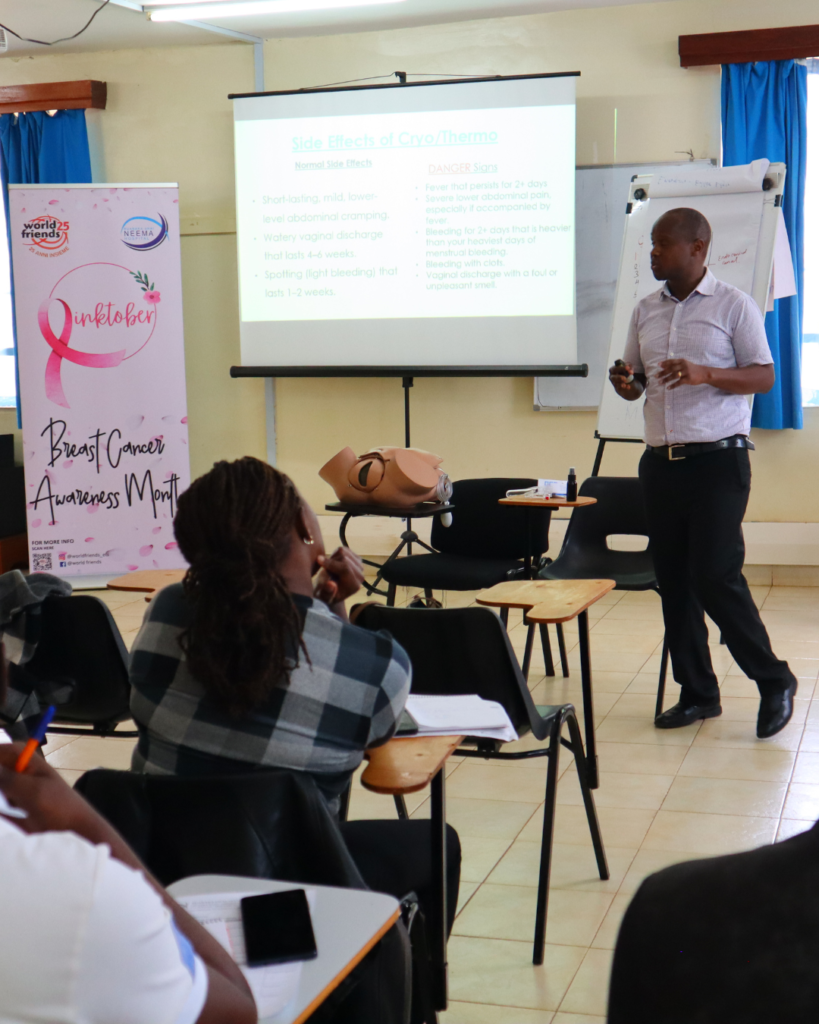
- skills strengthening sessions for healthcare workers;
- testimonials from beneficiaries, to give a voice to families;
- expert interventions of the health sector;
- specialized health and nutritional services;
- data review meetings, to monitor progress and evaluate performance coverage.
This is the approach that GROW+ and the public health system share: combining care, prevention and education, measure what we do and improve it campaign after campaign. The goal is to make essential services truly accessible to the most vulnerable families in the entire community.
Thanks to AlbaCare
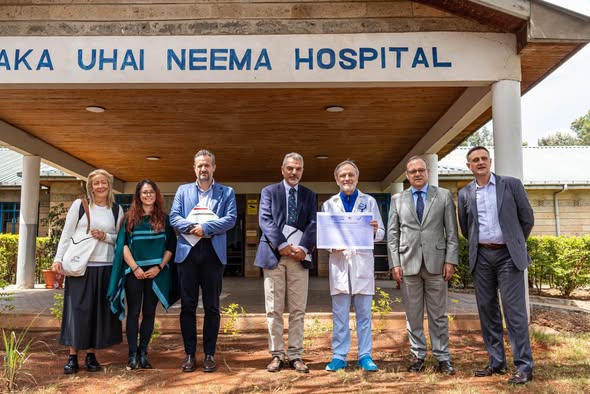
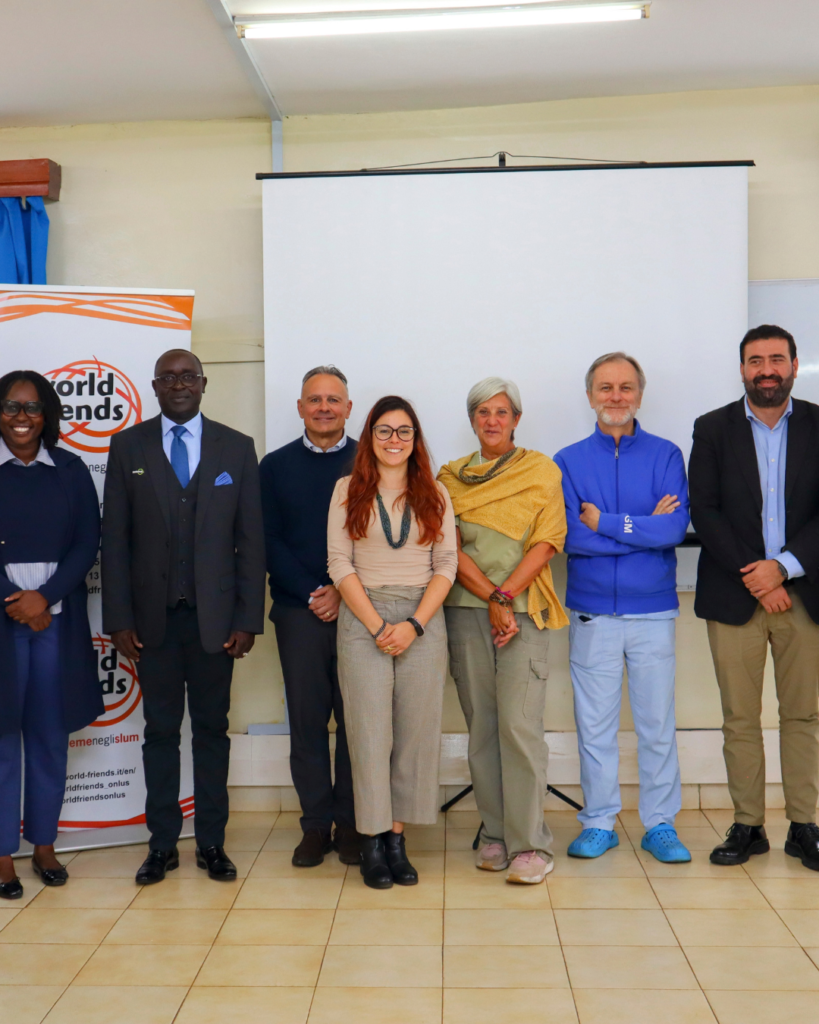
GROW+ is made possible thanks to the funding of AlbaCare, co-funded by World Friends, and in collaboration with Ruaraka Uhai Neema Hospital, Bethel Afya Medical Centre, Jamii Kipawa Medical Centre, and the Furaha Community Foundation. Thanks to AlbaCare for making this work possible.
A dose of Vitamin A, a parasite tablet, a blood pressure measurement. These are simple gestures, but when repeated thousands of times, they become a safety net for an entire generation of children.