
Beyond the Silence: Gian Mburu's Story and the Right to Be Heard
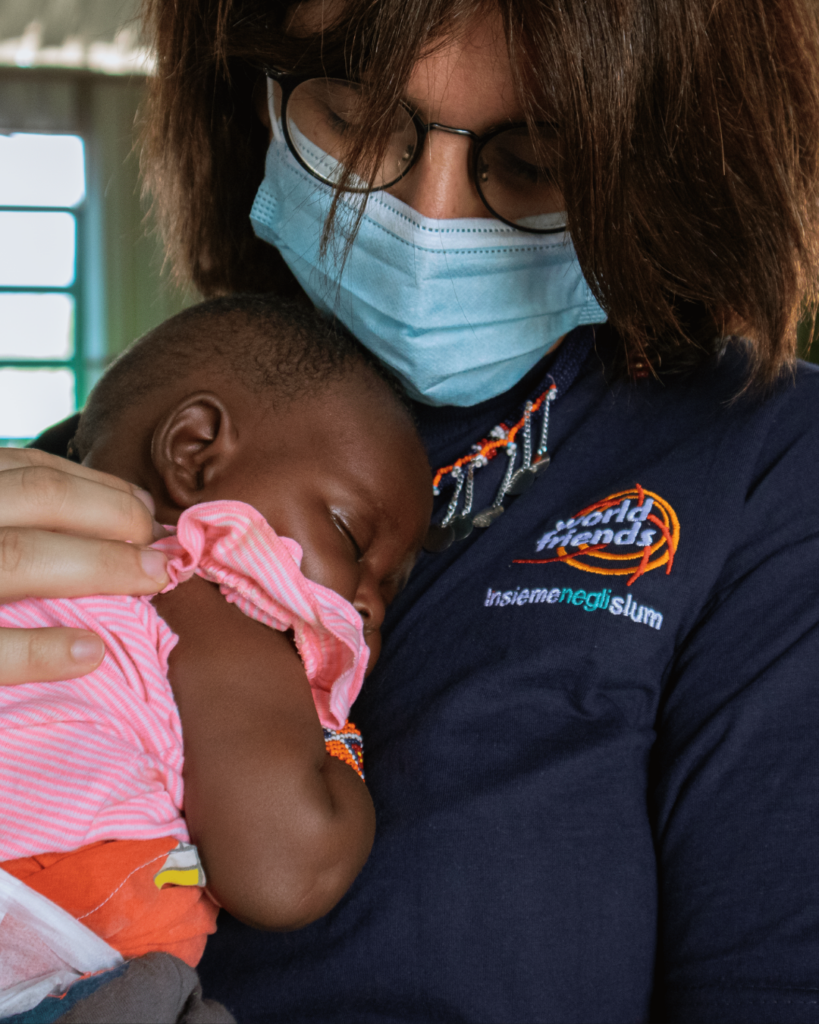
At three years old, Gian hadn't yet developed language. He didn't speak, he didn't respond, and for his mother, every day was an unanswered question: What's going on in my son's head, and how can I help him reach me? Today, Gian walks alone, walks home independently, plays with other children with play dough in a colorful room—and above all, he communicates. His story, told in a video by herself and the speech therapist who treats him, is one of many made possible by the project. Beyond the Silence of World Friends in Kenya.
A child, a late diagnosis, a country where services are lacking
In Kenya, 2,2% of the population lives with a disability, a condition more common in rural areas and among young people, aggravated by malnutrition and limited access to healthcare. Neurological disabilities—such as epilepsy—remain among the most neglected: only 15% of those affected receive adequate treatment. Even for hearing loss and speech impairments, like the one Gian suffered, specialized services are scarce and often too expensive for families in Nairobi's slums.
It is in this context that it was born “Beyond the Silence”, the three-year project (2024-2027) that World Friends is carrying out in the Counties of Nairobi and Kilifi, financed by the Foundation Assistance Internationale (FAI), with the aim of directly reaching approximately 42.000 Guests and generate an indirect impact on over 110.000 individuals.
Speech therapy as a key to reopening the world
In the video, the speech therapist from the Kids Speak Therapy Clinic—one of the centers involved in the project—explains in simple terms why “Beyond the Silence” was created specifically to break the silence of many children like Gian: children who have a language within them, but no tools—neither therapeutic nor social—to bring it out.
Gian's mother describes the journey with the concreteness of someone who has lived it day by day: the initial progress, the growing confidence, the independence regained one step at a time. She also talks about the "aftermath": the need for regular check-ups, perhaps every three months, simply to monitor her son's progress—a follow-up that, in a fragile healthcare system like that of many areas of Kenya, is never a given.
A three-pronged project
Beyond Silence doesn't end with a single therapy session. It works simultaneously on three levels:
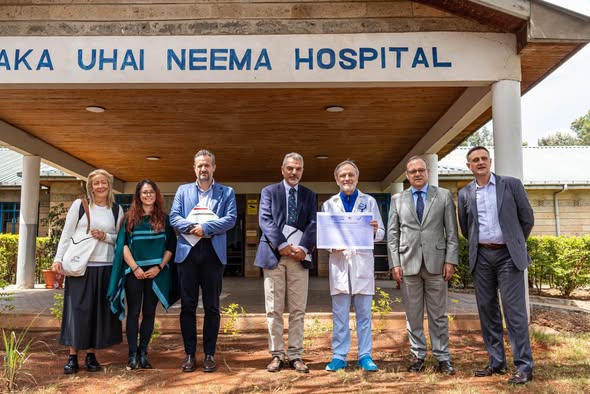
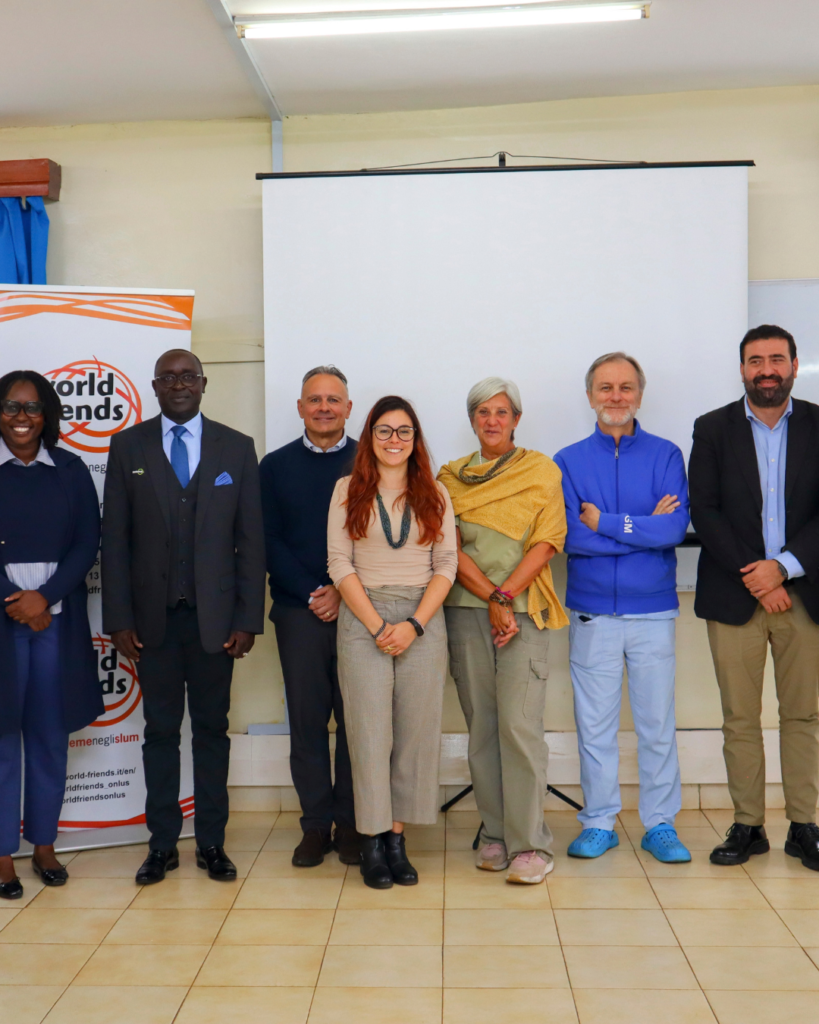
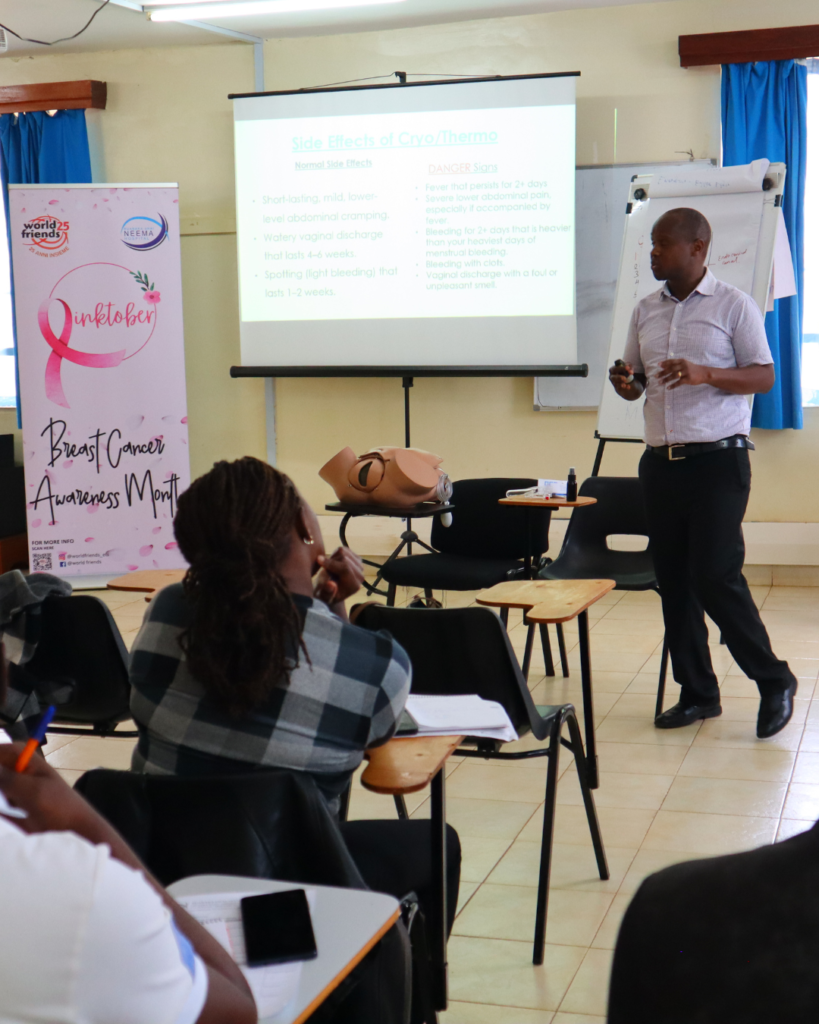
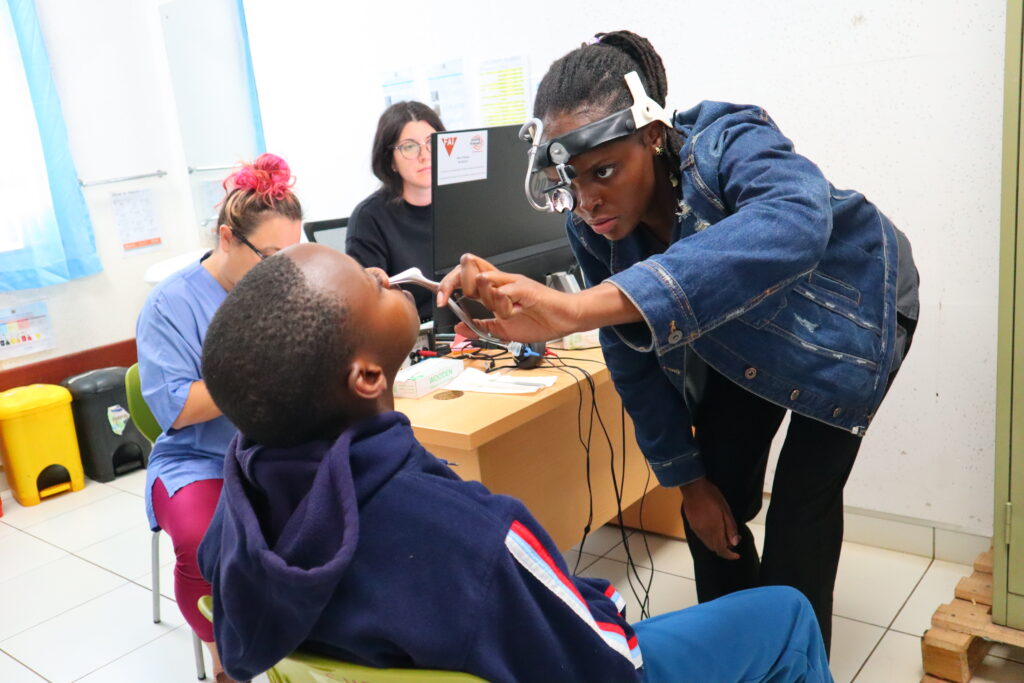
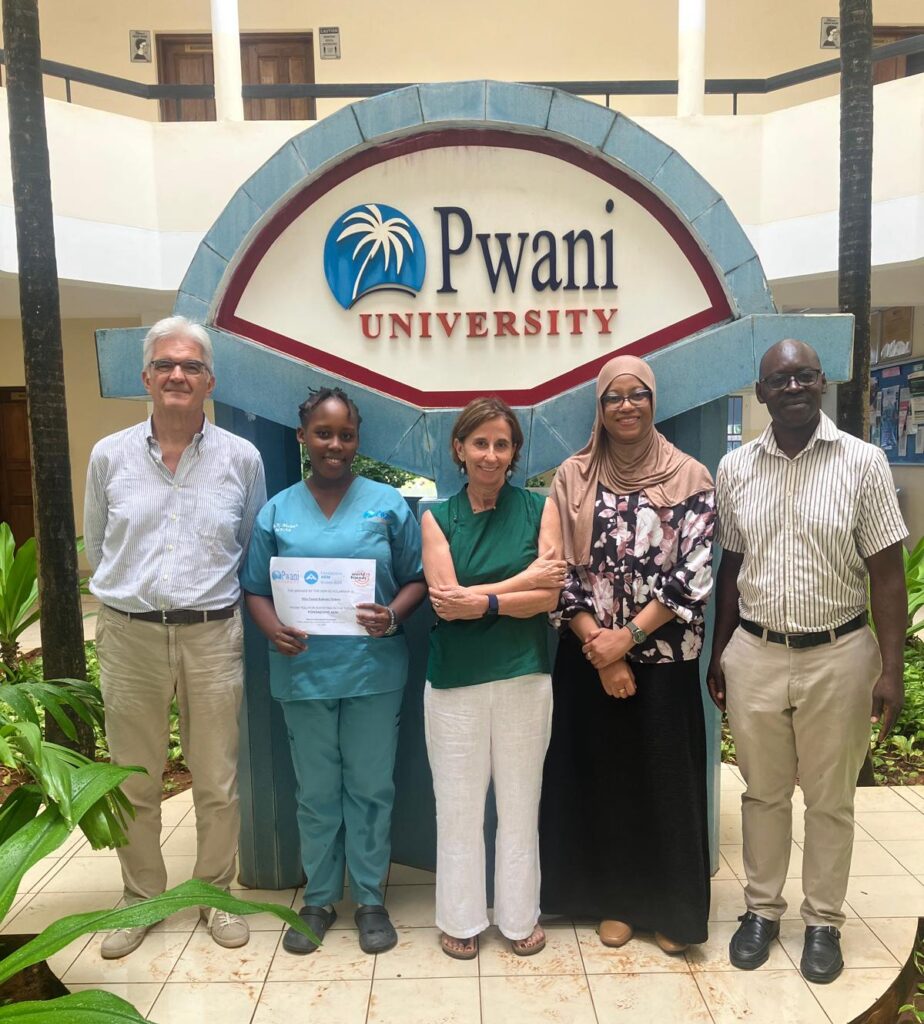
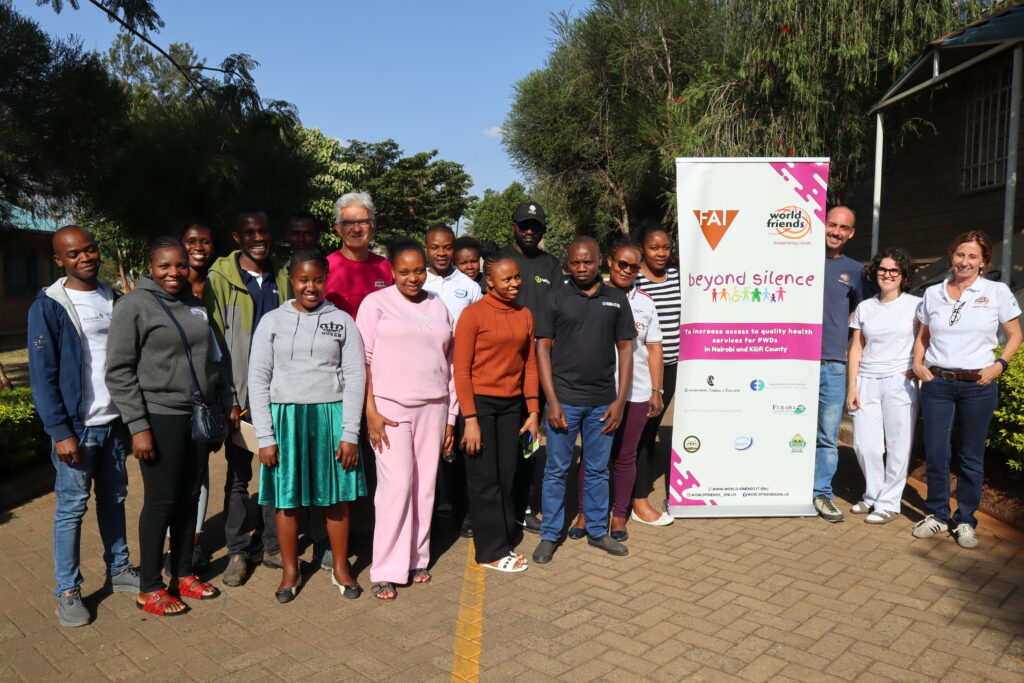
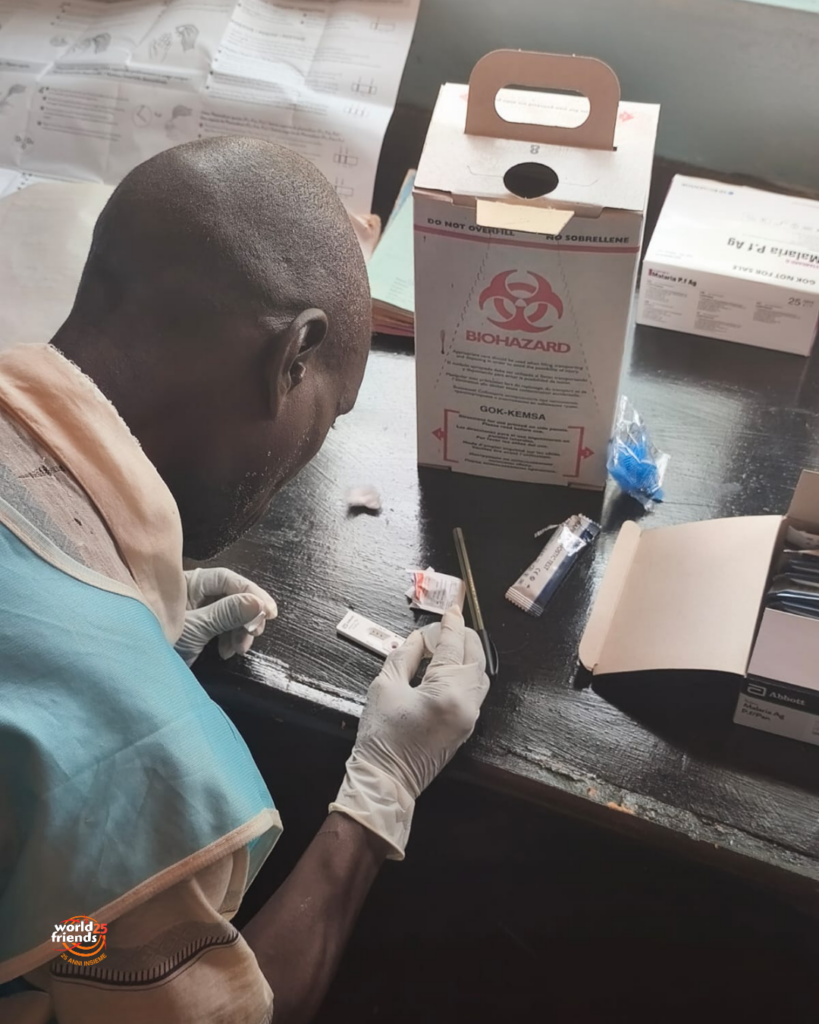
- Training: courses for doctors, nurses, physiotherapists, and occupational therapists at Ruaraka Uhai Neema Hospital, focusing on early identification of epilepsy, speech therapy, and audiometric testing. In July 2026, for example, 18 healthcare workers from Ruaraka sub-county completed a course in audiology and neurology conducted by Italian specialists (Dr. Maria Paola Canevini, Dr. Giovanni Felisati, Dr. Silvia Rotondo, representing San Valentino OdV and Sentire e Crescere OdV): a concrete and immediate result, with 25 patients already referred to specialist care.
- Health infrastructure: strengthening the specialist outpatient clinic at Ruaraka Uhai Neema Hospital and introducing mobile health units for screening and diagnosis in remote areas, to ensure continuity of care both in Nairobi and in rural areas of Kilifi.
- Social and economic empowermentPsychosocial support, support groups, and vocational training for people with disabilities and their families, along with awareness campaigns in schools and communities. In Ganze, Kilifi County, a recent meeting with caregivers combined physiotherapy, occupational therapy, and practical training for the daily care of family members with disabilities, reaffirming a simple principle: the rights of people with disabilities are human rights, now further protected in Kenya by the new Disability Act 2025.
Why Gian Mburu's story matters
Behind the project's numbers—42.000 people reached, 110.000 indirectly impacted, 18 trained staff, 25 patients referred for specialized care—are individual stories like Gian's. It's there that the effectiveness of a healthcare intervention is truly measured: not just in statistics, but in the concrete opportunity for a child to speak, make themselves understood, and walk home on their own two feet.
Continuing to invest in training, infrastructure, and communities means continuing to multiply these stories—and breaking, one at a time, the many forms of silence that still separate those who need care from those who could provide it.